Walking the Curonian Spit Dunes — Coastal Adventure
Discover golden sand dunes, pristine nature, and unforgettable coastal trails on Lithuania's most striking natural wonder

Why the Curonian Spit Deserves Your Weekend
The Curonian Spit isn't just another beach destination. It's a narrow strip of land that separates the Baltic Sea from a freshwater lagoon, creating one of Europe's most unique ecosystems. You'll find towering sand dunes, quiet pine forests, and trails that feel like they're worlds away from ordinary tourism.
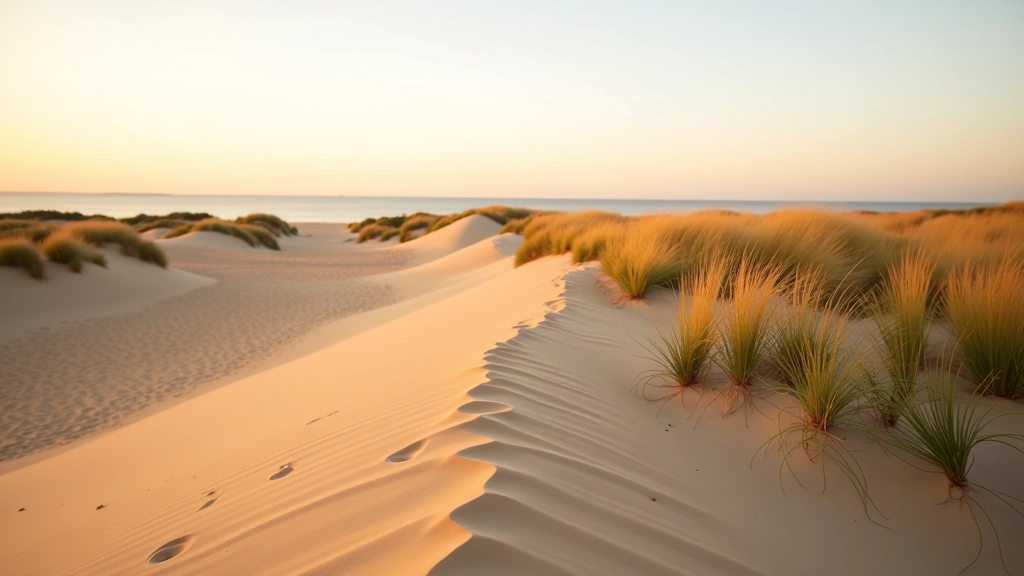
What makes it special? The dunes here aren't static — they're constantly shifting, shaped by wind and sea. Walking across them gives you this strange sense of being in a desert, except you're steps away from the cold Baltic. The light changes everything throughout the day, making the golden sand glow differently in morning sun versus late afternoon.
Quick Facts
- 52 km long, protected UNESCO World Heritage site
- Peak dunes reach up to 60 meters high
- Best visited April through October
- Accessible by ferry from Klaipėda
Getting There and Planning Your Visit
Most visitors start from Klaipėda, Lithuania's main port city. You'll take a car ferry (takes about 15 minutes) to Nida, the largest settlement on the spit. The ferry costs around 6-8 euros per vehicle and runs regularly throughout the day.
Once you're there, you've got options. Some people spend the whole day on dune trails. Others prefer to explore the villages — Nida has galleries, restaurants, and a small but charming harbor. If you're serious about hiking, you'll want comfortable shoes with good grip. Sand shifts under your feet, and what looks flat from a distance often has steep angles once you're walking it.
The weather matters more here than other places. Wind off the Baltic is constant, and it shapes everything — the dunes, the vegetation, even how you feel while walking. Bring layers. Morning can be cool, midday warm, and late afternoon cool again.
Best Trails and Walking Routes
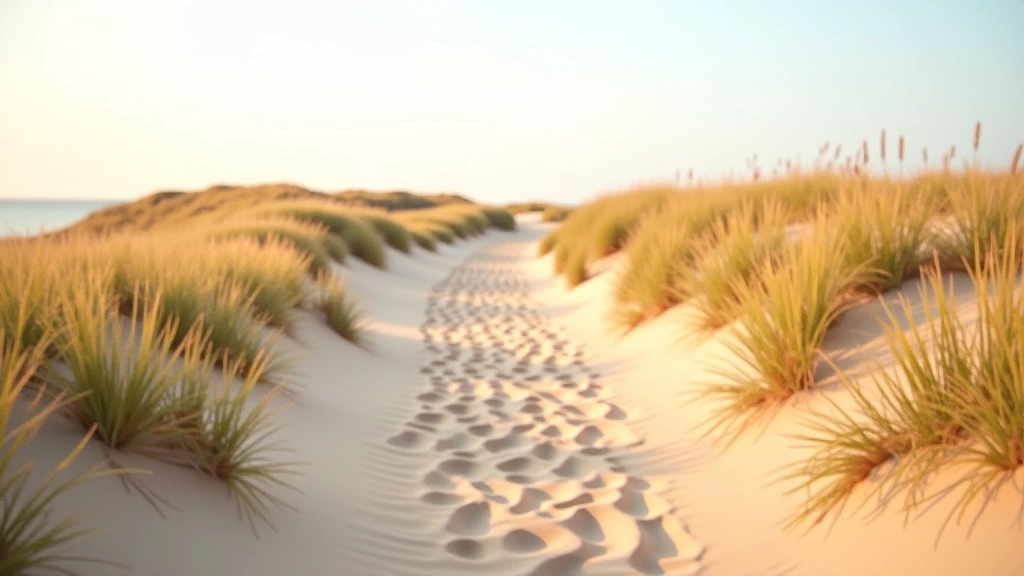
The most popular route is the Parnidis Dune trail near Nida — about 2.5 km round trip. It's steep, honestly. You're climbing actual dunes, not gentle hills. But the view from the top shows you everything: the Baltic on one side, the lagoon on the other. On clear days, you can see the Russian coast in the distance.
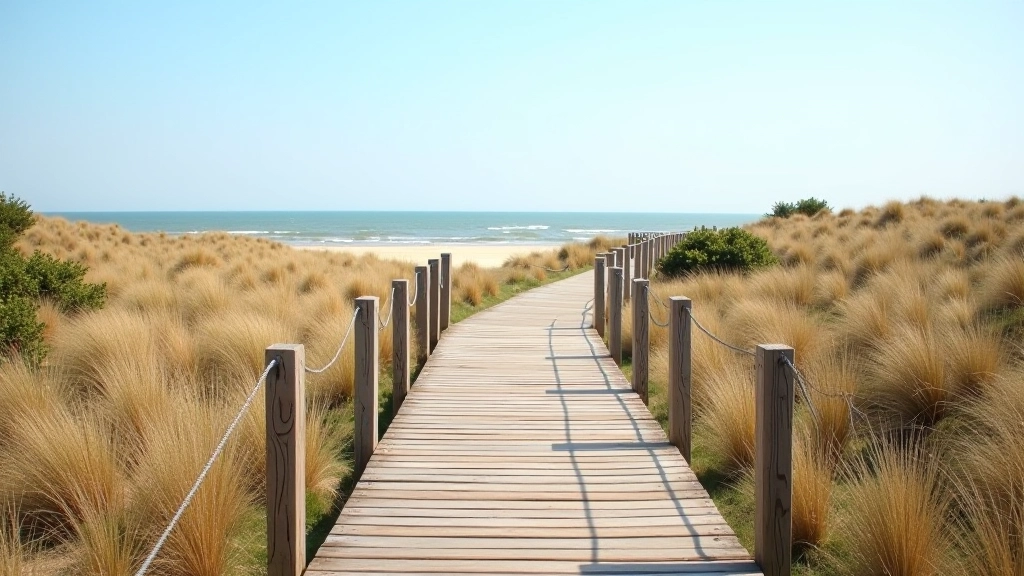
If you want something less demanding, the boardwalk sections are perfect. They're elevated wooden paths that let you see the dunes without the physical strain of climbing sand. You'll still get that sense of scale — these aren't small mounds, they're proper mountains made of sand.
Pro tip
Start your walk early in the morning. Not only is it cooler, but you'll have the trails mostly to yourself. By noon, organized groups arrive, and the quiet gets replaced with organized tours.
What to Expect — The Real Experience
Walking the dunes isn't like regular hiking. Your feet sink with every step. The sand is warm on top but cool underneath. Wind constantly pushes at you from different directions — sometimes from the sea, sometimes from inland. It's physically demanding in ways you don't expect.
The vegetation is sparse — low shrubs, marram grass, scattered pines bent from constant wind. Wildlife is there but not obvious. You'll see birds, maybe some lizards, rabbits if you're quiet. The ecosystem here is fragile, which is why there are marked paths and why you shouldn't wander randomly.
After a few hours of walking, you'll understand why this place feels different. It's not manicured nature. It's raw, shifting, shaped by forces much bigger than humans. You're basically walking on a living, changing landscape.

Practical Tips for Your Visit
Footwear Matters
Don't wear regular sneakers. Get shoes with ankle support and good tread. Sand gets into everything, so waterproof is a bonus. Many people go barefoot in summer — it works if the sand isn't too hot and you watch for glass or shells.
Hydration and Sunscreen
You're walking exposed on sand with no shade. Bring way more water than you think you'll need. The sun reflects off sand, so sunscreen is essential — reapply after 2 hours. Sunglasses too, the glare is intense.
Wind and Weather
Check forecasts before you go. Strong winds make walking exhausting and can actually be unsafe on the highest dunes. Rain on sand isn't the worst — it actually makes walking easier because sand packs down. But don't get caught in storms.
Maps and Navigation
Download offline maps before arriving. Cell service is spotty in remote dune areas. There are marked trails, but signs aren't always obvious. Stick to established paths — the protected area is strictly regulated.
Food and Supplies
Nida has restaurants and shops, but they're not everywhere on the spit. If you're hiking in remote sections, bring snacks and meals. Picnicking on the dunes is allowed — just pack everything out that you pack in.
Photography Spots
The dunes photograph best in early morning or late afternoon light. Golden hour is spectacular here. Bring a phone case that protects from sand. The glare will fool your phone's light meter — bracket your shots.

Understanding the Ecosystem
The Curonian Spit is protected because it's ecologically significant. The lagoon side supports species found nowhere else. The sea side is shaped by constant wind and salt spray. Between them, the dunes are a transition zone where adapted plants survive conditions that would kill most vegetation.
Marram grass stabilizes the dunes — without it, the whole landscape would shift even faster. Pine trees are naturally bent by wind, their shapes telling you about wind direction and strength. When you walk here, you're not just seeing pretty landscape, you're witnessing ecological adaptation in real time.
The UNESCO designation isn't just tourism marketing. This place genuinely matters for biodiversity. Which is why staying on marked trails is essential. Trampled vegetation doesn't recover quickly in this harsh environment. The sand that looks barren actually supports specific species that've evolved here over centuries.
Best Time to Visit by Season
Spring
April and May bring moderate temperatures and longer daylight. Wildflowers start appearing on dunes. Wind can still be strong. Fewer tourists than summer, making trails quieter. Water's too cold for swimming.
Summer
June through August is warmest but also busiest. Days are long (sunset around 9 PM). Heat on dark sand can be intense. Water temperature reaches 17-18°C if you're brave enough. July is peak season with organized tours.
Autumn
September and October offer comfortable temperatures and dramatic light. Vegetation turns colors. Wind picks up. Fewer crowds than summer. October can be chilly and unpredictable weather-wise.
Winter
November through March is harsh. Temperatures drop below freezing. Wind is constant and cold. Some facilities close. Fewer visitors mean peaceful trails. Dunes covered in frost are beautiful but dangerous underfoot.
Beyond the Dunes — What Else to See
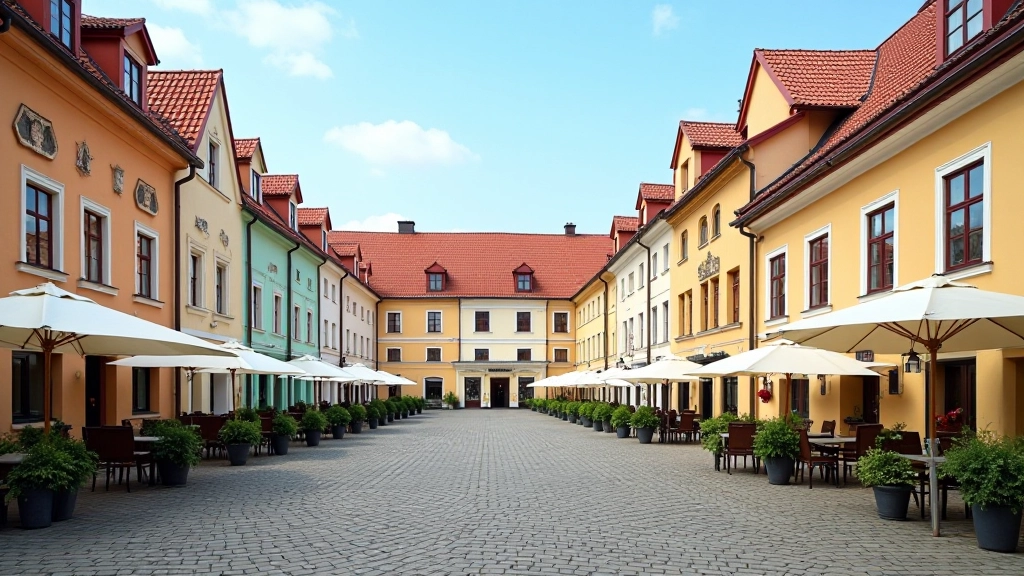
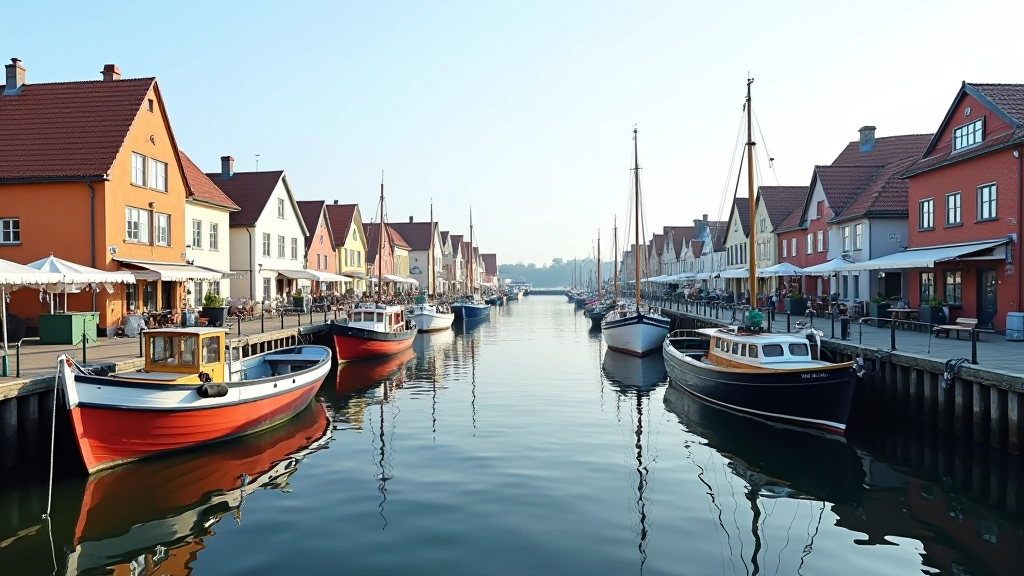
Nida has a charming harbor where fishing boats still operate. There's a small maritime museum worth an hour of your time. The town developed as a fishing settlement, and that character still shows in the architecture and local restaurants serving fresh catch.
If you drive north along the spit, you'll find Preila — another village with beach access and quieter atmosphere than Nida. The landscape changes as you go north: dunes stay dramatic, but pine forests become denser. The whole spit rewards exploration beyond just the main hiking trails.
The lagoon side is less dramatic than the sea side, but it's where you'll see local life — fishermen, small ports, villages that feel genuinely lived-in rather than touristy. A cycling tour along the lagoon shore offers completely different scenery from dune walking.
Why This Weekend Matters
The Curonian Spit isn't a destination you check off a list. It's a place that changes how you think about landscape and nature. Walking the dunes, you're experiencing something genuinely unique — a landscape shaped by forces you can feel (the wind) and see (the shifting sand) in real time.
It's not easy — your legs will feel the climb, sand will get everywhere, the wind will test your patience. But that difficulty is part of what makes it meaningful. You're not just observing nature from a comfortable distance. You're in it, walking on it, experiencing how harsh and beautiful it is simultaneously.
Plan a weekend, take the ferry, wear proper shoes, and give yourself at least a full day on the dunes. You'll understand why people come back here again and again.
Important Information
The Curonian Spit is a protected UNESCO World Heritage site with specific regulations. Stay on marked trails, don't disturb vegetation, and follow all posted signs. Weather conditions can change rapidly — check forecasts before heading out. This article provides informational guidance based on typical visitor experiences. Individual experiences may vary based on seasonal conditions, fitness level, and weather. Always prioritize safety and follow local regulations when visiting protected natural areas.