Hill of Crosses Near Šiauliai
A Spiritual Journey Through Lithuania's Most Sacred Site

More Than a Hill
The Hill of Crosses isn't just another tourist spot. It's one of Lithuania's most spiritually significant places — a pilgrimage destination that's drawn visitors for centuries. Located about 12 kilometers north of Šiauliai city, this sacred site holds deep meaning for both locals and international travelers seeking something genuinely authentic.
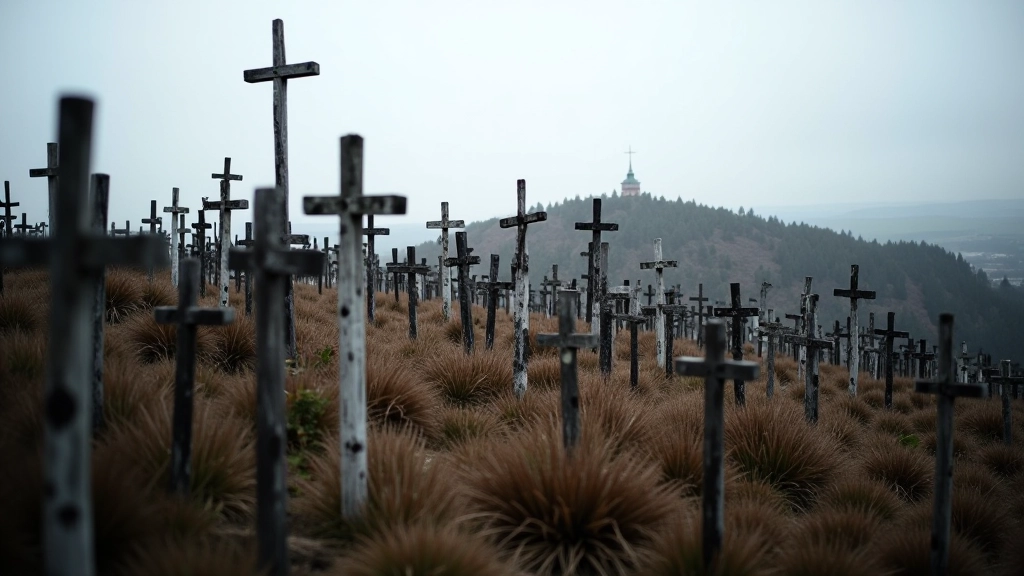
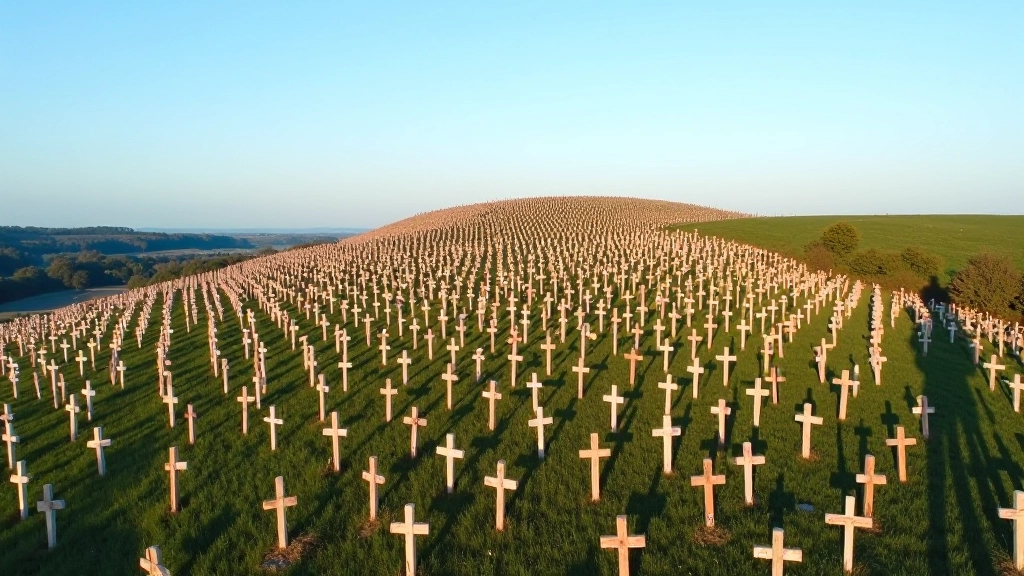
What makes this place special? It's the crosses. Thousands of them. Some are tiny wooden ones no bigger than your hand. Others stand tall and ornate, handcrafted with intricate details. They're not organized in rows or arranged by size. Instead, they cover the hill in a natural, organic way — each one representing someone's faith, memory, or prayer. You'll find yourself walking through layers of spiritual intention.
Did you know? The Hill of Crosses tradition dates back to the 14th century, though most crosses you see today were added after the Soviet era ended in 1990. During occupation, authorities destroyed the crosses multiple times, yet pilgrims kept replacing them.
What to Expect When You Visit
Walking up the hill, you'll notice the atmosphere shift immediately. It's peaceful but not quiet — you'll hear wind moving through the crosses, creating a subtle rustling sound that feels almost meditative. Many visitors describe it as calming, even if they're not particularly religious.
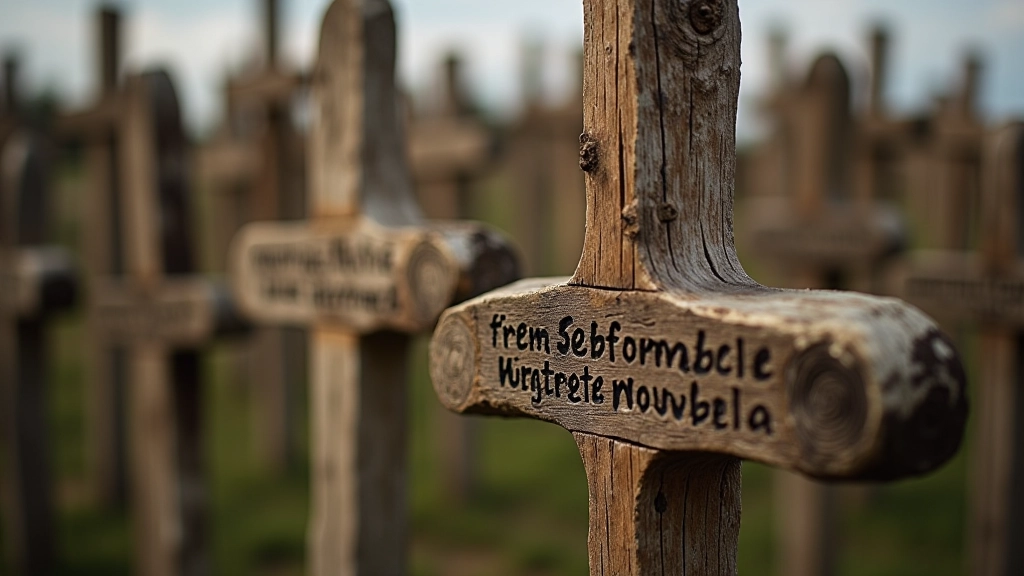
The landscape itself is simple. Rolling green grass, the crosses themselves, and usually an open sky. There's no gift shop, no entrance fee, no crowds pushing you through. You'll spend time actually looking at the crosses — reading inscriptions in Lithuanian, Polish, Russian, and other languages. Some are decorated with flowers or small tokens. Others are weathered and faded, showing years of exposure to the elements.
Plan to spend 45 minutes to an hour here. Don't rush it. Walking slowly, examining different crosses, and finding a quiet spot to sit — that's when the experience becomes memorable. The best times to visit are early morning or late afternoon, when you'll have fewer visitors and better light for photos.
Getting There & Practical Details
From Šiauliai city center, it's about a 15-20 minute drive. You can rent a car, take a taxi, or book a guided tour. Public transportation exists but isn't frequent, so driving or joining a tour is more reliable. If you're without a car, ask your hotel — many offer transport arrangements to the hill.
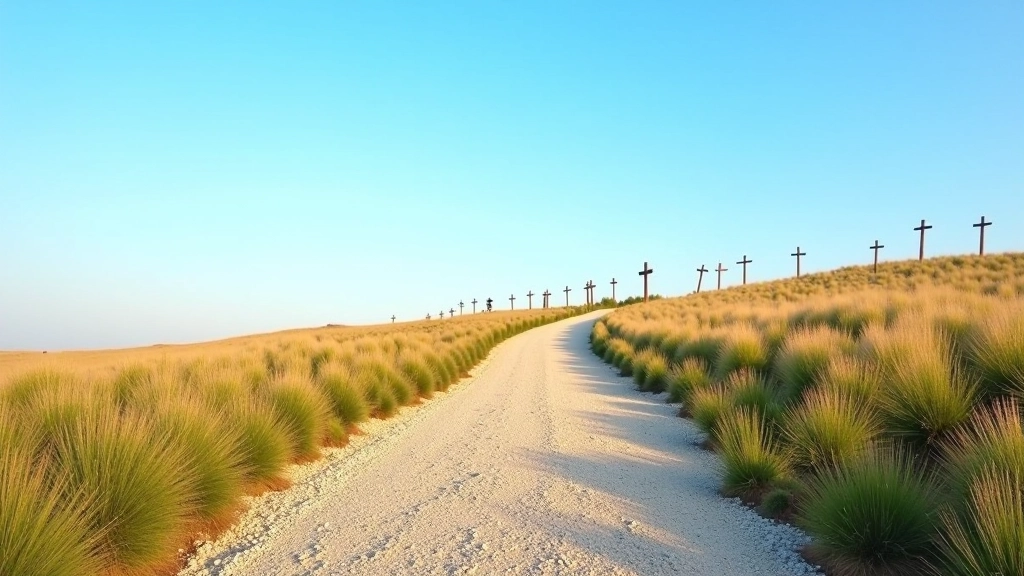
There's a small parking area at the base. From there, it's a gentle uphill walk of about 100-150 meters to reach the main cross area. The path is well-maintained gravel, so regular shoes work fine, but comfortable walking footwear is smart. The hill is open year-round, 24 hours a day. There's no entrance fee, no tickets, no registration. Just show up.
Bring water, especially in warm months. There's a small chapel at the top if you want a moment of quiet reflection. Mobile service is fine, so you can navigate and take photos easily. Consider bringing a small cross or token if you want to add your own offering — many visitors do this as part of the experience.
The Spiritual Significance
You don't need to be religious to appreciate this place. The Hill of Crosses works on different levels. For Catholics, it's a pilgrimage site representing faith and resilience. For cultural tourists, it's a symbol of Lithuanian identity and independence. For spiritual seekers, it's a place of quiet contemplation. And for everyone, it's undeniably moving.
Faith & Tradition
The crosses represent generations of faith. People add them for prayer intentions, memorials, or simply as expressions of belief. It's a living tradition that continues today.
Resilience & Identity
The hill symbolizes Lithuanian resistance during Soviet occupation. When authorities destroyed crosses, people rebuilt them. That determination is part of what makes the place powerful.
Personal Reflection
Whether you're marking a memory, seeking peace, or just observing, the hill invites personal reflection. Many visitors find clarity here, away from daily noise.
Visitor Tips for the Best Experience
Best Times to Visit
Early morning (6-8 AM) or late afternoon (5-7 PM) offers fewer crowds and better lighting. Spring and early autumn provide pleasant weather for the walk.
Photography Tips
The hill photographs beautifully in soft light. Shoot from different angles — some of the best perspectives come from lower positions looking up at the crosses against the sky.
Combine with Šiauliai
The hill pairs well with exploring Šiauliai city itself. Visit the Pharmacy Museum, walk the old town, or grab lunch. Most people spend 3-4 hours total in the area.
Show Respect
This is a sacred place. Move slowly, speak quietly, and avoid stepping on crosses. If you add a cross or token, do so thoughtfully. Photography is fine, but be mindful of others.
Why This Place Matters in Lithuanian Culture
Understanding the Hill of Crosses means understanding something about Lithuanian identity. During the Soviet occupation (1940-1990), the hill became a symbol of resistance. Authorities tried to suppress religious expression, yet people kept coming here, kept adding crosses. It's a quiet but powerful story of cultural persistence.
In 1993, Pope John Paul II visited the hill during his trip to Lithuania. That visit cemented its status as one of Europe's most important pilgrimage sites. Today, it attracts visitors from across the globe — Catholics on spiritual journeys, history enthusiasts, cultural tourists, and people simply seeking meaningful experiences.
What you're experiencing when you visit isn't just a historic site. It's a living tradition. The crosses keep being added. People keep coming. The hill remains active, evolving, and spiritually significant. That's what makes it genuinely different from many tourist attractions.
Making It Part of Your Lithuanian Journey
The Hill of Crosses deserves time in your itinerary. It's not a quick photo stop. It's an experience that stays with you — the quiet atmosphere, the thousands of individual stories represented by each cross, the sense of something genuinely meaningful. You'll find yourself thinking about the place long after you leave.
Whether you're planning a weekend in Lithuania or a longer exploration, this site offers something rare. It's accessible, free, and open to everyone. You don't need special preparation or religious background. Just show up with an open mind and allow yourself to spend time there. That's all it takes to understand why millions of visitors consider it one of Lithuania's most important destinations.
Ready to explore more Lithuanian getaways? Check out our other weekend destination guides.
Browse All Lithuanian DestinationsTravel Information Disclaimer
This article provides educational information about the Hill of Crosses as a travel destination. While we've made efforts to ensure accuracy, travel conditions, opening hours, and local regulations can change. We recommend confirming details with local tourism offices or your hotel before visiting. The information presented here is intended to help with planning and cultural understanding, not as official travel guidance. Always respect local customs, follow site-specific rules, and prioritize your safety when traveling.
Explore More Lithuanian Weekend Destinations